The tenant call at seven in the morning and the first walk of the affected row
The call usually comes early. A tenant arrives before office hours, checks their unit, and finds their disc lock on the ground, cut and useless. The first words are often disbelief, then a rising edge of anger or panic. If you answer the phone, you know that voice. If you miss the call, your voicemail is already stacking up by the time you pull into the lot.
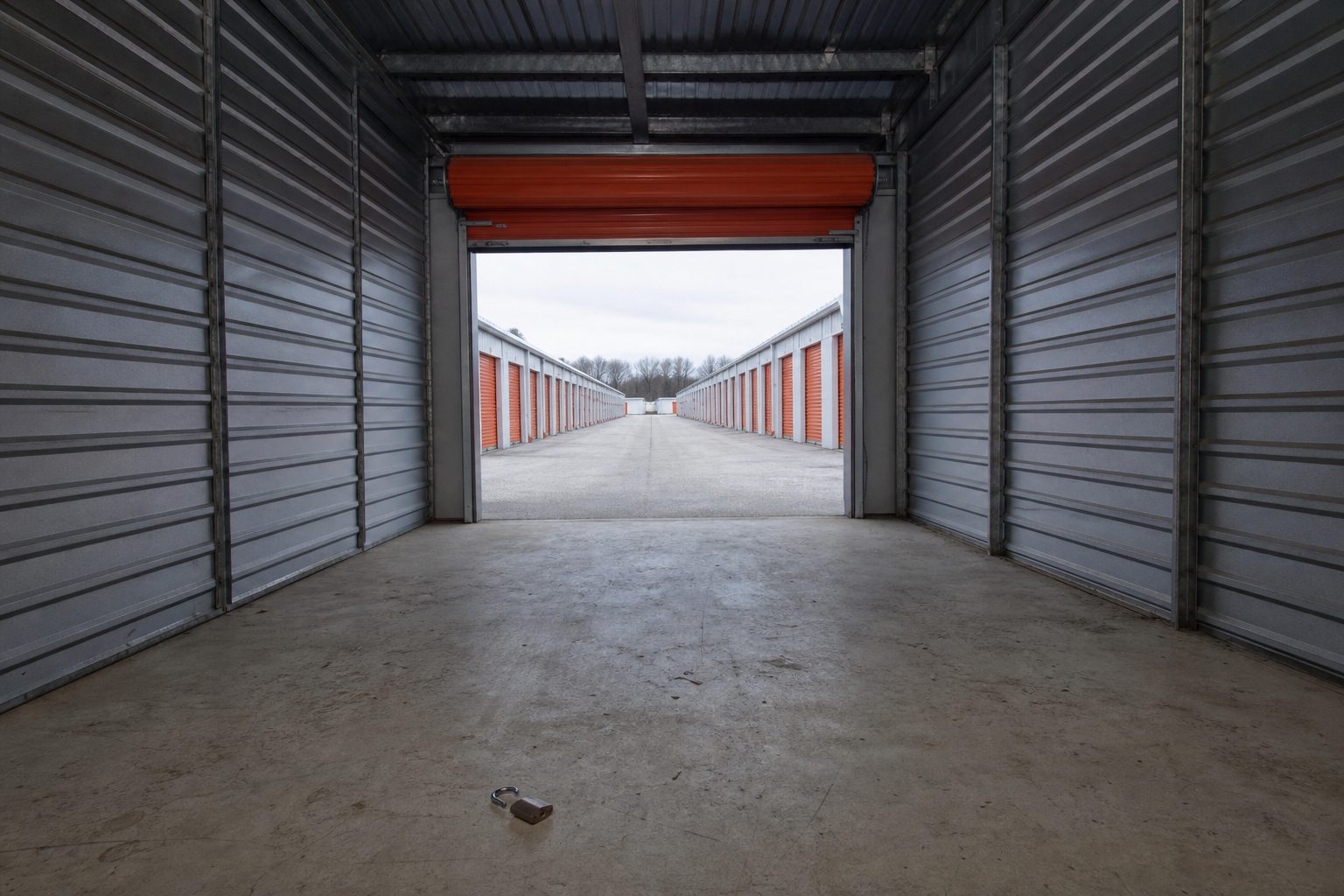
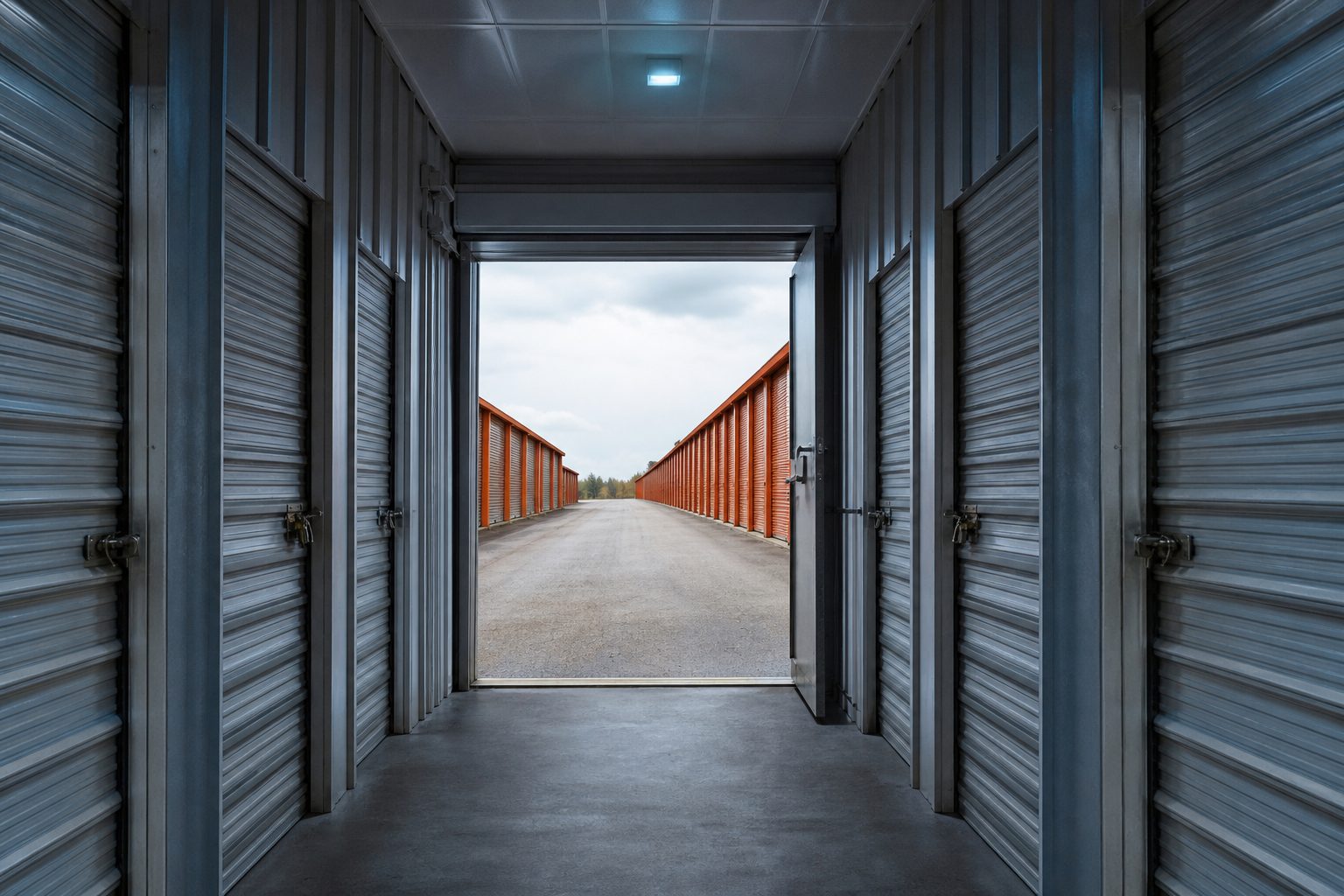
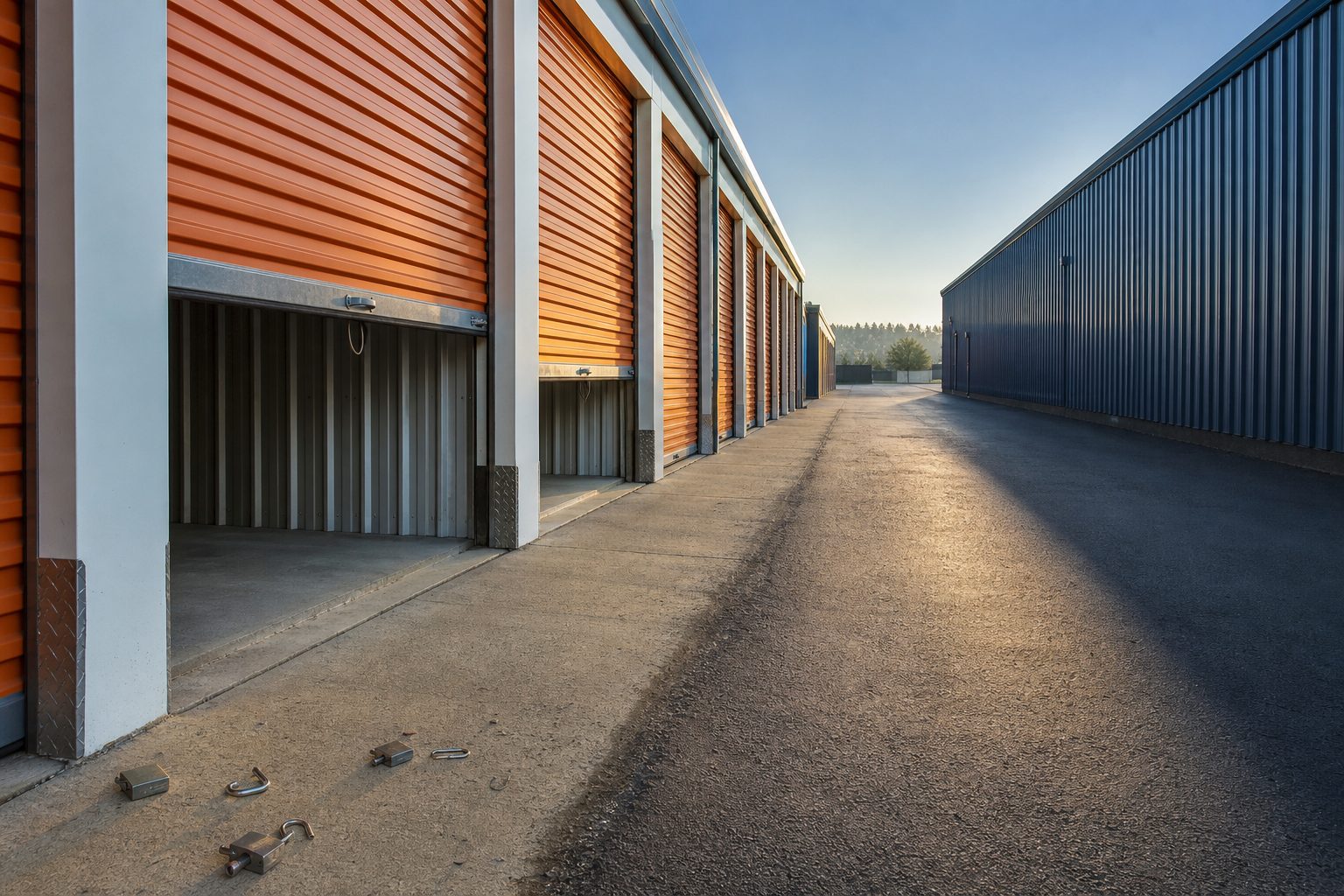
The first walk through the affected row is about confirming what you expect. You check all the doors. You look for signs of forced entry, for locks scattered at the base of the doors, for anything out of place. Most operators grab a notepad, their phone, and a flashlight. The walk is part checklist, part gut punch. You are searching for a pattern: which units were hit, which locks were cut, and whether any doors were actually opened or just tampered with.
Even with good lighting, the details can be hard to see right away. Sometimes the burglars skip units. Sometimes they cut a few locks but only open one or two doors. You try to keep track of everything before you start calling tenants or moving anything, because every detail will matter for the rest of the day.
Keep reading: How a Self Storage Lien Sale Works, From Default Notice to Surplus Funds
Securing the row and photographing everything before anyone touches a door
After the initial walk, you need to secure the area. If you have staff, one person can stand by the affected row while another starts taking photos. If you are solo, you work quickly. The goal is to capture every lock as you found it, every door, every mark on the ground or on the metal.
Photographs need to show the unit number, the condition of the door, and the lock itself. Take wide shots and close-ups. A shot from each end of the row helps document the sequence. If you have security cameras on the row, try to line up your photos to match those angles. That makes comparing timelines easier later.
Do not open any doors yet. Leave everything as you found it. If you have tenants on site, ask them to wait until the police arrive. Most police departments prefer untouched scenes, and your insurance company will want the same. If you have replacement locks, bring them out, but do not install them until you finish documentation and get police clearance.
What the camera system gave us, and the two angles it did not cover
Once the site is secure and documented, you turn to your camera system. The best case is high-definition coverage of the row, both ends, and a view of the perimeter fence or gate. Many facilities still have older analog cameras, so video quality can be hit-or-miss. Most operators start by scrubbing through footage from late night to early morning, looking for any movement or headlights.
In most break-ins, you see the suspects enter the property. Sometimes they park outside the fence and walk in. Sometimes they tailgate another car through the gate. If your cameras cover the gate keypad, you can match entry times to access codes. This helps narrow down when the break-in happened and whether it involved a stolen or shared code.
The missing angles
Inevitably, there are angles the cameras do not cover. In many facilities, the ends of rows are blind spots if the cameras are mounted at the office or only at the main gate. You might see shadows moving, but not faces or license plates. If a row backs up to an exterior fence, the outside approach is rarely covered. After a burglary, these missing angles become painfully clear. Document them for your review, and note any camera outages or gaps in your log.
Keep reading: How to Run Existing Customer Rate Increases Without Mass Move Outs
The police report, the case number, and why every tenant needs it
Police response times vary. In some towns, an officer arrives within an hour. In others, you might wait half the day. When the officer arrives, walk them through the scene, show your photos, and provide a list of affected units. Some officers want to open each unit themselves; others take your word and focus on the cut locks and the camera footage.
The case number is crucial. Every tenant will ask for it, whether their unit was opened or just had a lock cut. Insurance claims require it. Some tenants will want a copy of the full report, but most need only the number and the responding department. Keep a record of what you gave each tenant and note any special requests.
If your state requires it, post a notice about the incident. This is common where consumer protection laws require prompt notification of break-ins. Even if not required, a memo to all tenants in the affected row helps manage rumors and sets expectations for follow-up.
Calling the whole row, including the units that were not opened
After the police report, the calls begin. You start with tenants whose units were definitely opened or whose locks were cut. Use your CRM or paper log to work through the list, noting who answers and who you have to leave a message for. Be calm and factual. Explain what happened, that the police have been called, and what steps come next.
It is just as important to call tenants whose locks survived but who were in the affected row. Some may have noticed activity on their camera notifications or heard from neighbors. Reassure them that their units were checked and note any concerns they have. If possible, encourage them to check their units themselves once the police clear the row. Document every call and every voicemail left. Some tenants will want to come by right away, while others may not respond for days.
For operators with online leasing and gate code management, you can flag affected units and temporarily suspend gate access for those tenants until you confirm identity and intent. This keeps follow-up organized and limits liability if a tenant's code was compromised during the break-in.
See how GateCodeDesk handles this for self storage
Their policy versus yours: what facility insurance does not cover
After a break-in, most tenants assume your insurance will cover their loss. It rarely does. Facility policies typically exclude tenant contents. Your policy usually covers only the building, the fencing, and your own equipment. Any claim for stolen goods or damaged property inside a rented unit must go through the tenant's own insurance, if they have it.
Many facilities require proof of tenant insurance as a condition of rental. Some sell third-party policies at the counter or online during the lease process. Even so, not every tenant buys coverage, and many find out too late that their homeowner's or renter's policy does not extend to self storage. Explain this clearly to every affected tenant. Share claim instructions and the police case number, but do not promise coverage you do not provide.
It can help to have a one-page handout explaining the difference between facility and tenant insurance. This reduces confusion and gives tenants a written reference when they talk to their agent. If your lease spells out these limits, reference the section and offer to send a copy if needed.
Cut locks, disc locks, and the hardware change that followed
Most self storage operators have moved to disc locks for tenant units because they are harder to cut than standard padlocks. Still, determined thieves bring their own tools. In this break-in, the thieves used bolt cutters or a battery-powered grinder. Even disc locks, when attacked directly, can fail if the job is not rushed.
After a cut lock incident, review your lock policy. Some operators switch to cylinder locks, which fit flush with the latch and are even more difficult to cut. Others install lock shields or hasp covers, which make it harder to get a tool onto the lock. If your facility provides locks as part of the rental, consider requiring tenants to use only those locks, and offer discounted or free replacements for damaged ones.
Make a record of which locks were cut, which survived, and how each performed. This helps in future purchasing decisions and is useful evidence if you have to argue with a supplier about product claims. For the affected tenants, explain the new policy and offer guidance on the best lock types for your doors. If you change hardware, notify all tenants and update your lease materials.
Fence line repairs, lighting changes, and reviewing the gate access log
The physical perimeter is the next concern. In most break-ins, the thieves either cut through the fence or compromised a gate. Walk the entire fence line. Look for fresh cuts, bent posts, or signs where someone climbed over. Repair any damage right away, even if it means a temporary patch. Note any recurring weak spots or locations where brush or debris provides cover.
Lighting is the next layer. Replace any burned-out bulbs. Consider adding motion-activated lights at row ends, blind spots, or along the fence line. Strong lighting deters most casual intruders and helps your cameras work better at night. Document any changes in your maintenance log and update your site map.
Gate access log review
The gate system log is a key tool. Pull the records for the window when the break-in likely occurred. Look for access codes used during off hours, especially codes that do not match a legitimate tenant's normal pattern. If you spot access by a former tenant or a code issued during a previous lease, flag it for further review. This is where automated systems help. If your leasing platform supports instant deactivation of codes when a lease ends or a payment is missed, you can show a clean record of who had access and when.
After a break-in, update your gate code policy. Require tenants to change codes if they lose a key or suspect compromise. Use your online system to monitor for unusual activity, such as multiple entries in a short time or repeated failed attempts. Document every change and share new policies with your tenants.
Facility operators who use an automated leasing and gate code system have an easier time managing access, tracking incidents, and updating records. Online unit leasing with automated gate code issuance, delinquency lockout, and a live unit availability map all streamline these processes and help prevent the problems described above from happening again.