The 9 pm shopper never calls twice
Two thirds of storage searches happen outside office hours, and most renters call one facility, not four. Voicemail is where a signed lease goes to die.
$228lost rent per 10x10 sitting empty an extra 60 days
GateCodeDesk runs the whole move-in from your own website: signed lease, prorated first month, insurance selection and a keypad code written straight to the gate controller. When an account slides past the grace period you set, the same system pulls the code back and pushes the unit onto the delinquency board where your manager can act on it.
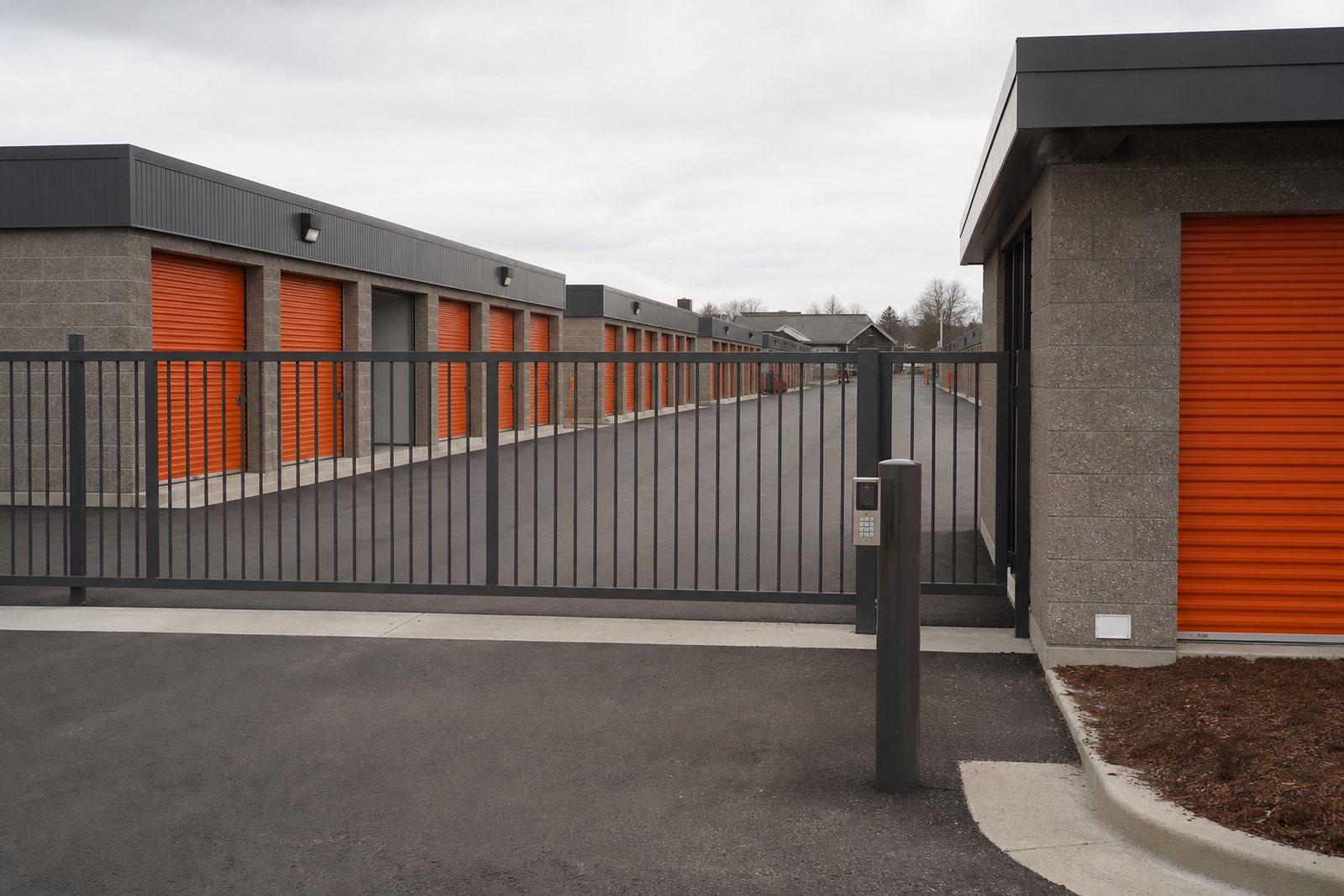
Storage demand shows up on a Saturday night after a divorce, a job transfer or a flooded basement. If the only way into your property is a voicemail box and a paper lease on a clipboard, that renter is two miles down the road signing with the REIT that takes cards at midnight.
Two thirds of storage searches happen outside office hours, and most renters call one facility, not four. Voicemail is where a signed lease goes to die.
Your manager keys the tenant into the rental software, then keys the same four digits into the gate terminal. One transposed number turns into a phone call from the keypad at 8:40 pm.
An account goes 40 days past due and the code still opens the gate at 6 am. The unit quietly empties out over a weekend, and the balance you were about to file on walks off in a pickup truck.
The whiteboard says C-208 is open, the clipboard says it rented Thursday, and the caller on hold is asking about the last 10x20. Guessing costs you the quote and sometimes the tenant.
Nothing here asks you to change how your property is laid out or how you price it. The unit list, the rate sheet and the delinquency rules stay yours. GateCodeDesk simply carries them from the website to the keypad without a human retyping anything.
Send a spreadsheet or an export from your current management software. We match every unit number, size, type and street rate, then flag the ones that disagree with your last walk-through so you can settle them before the map goes live.
Typical import: 340 units in under an hourYour keypad controller gets a network path to GateCodeDesk, and code slots are mapped to unit numbers with your manager watching the screen. From then on, a code created in a lease appears at the keypad in seconds and a held code stops working the same way.
PTI, DoorKing, Sentinel Systems and Digitech supportedThe move-in page carries your name, your photographs and your lease, not a marketplace listing. A renter picks a size, sees the real availability map, signs on a phone, pays the prorated first month and reads the gate code on the confirmation screen before they set the phone down.
Move-in finishes in about 4 minutes on a phoneYou decide the grace period, the late fee, the notice text and the day access is held. GateCodeDesk sends the reminders, stamps every step for the file, and turns the unit orange on the board so your manager sees exactly who needs a phone call this morning.
Ladders can differ by site and by state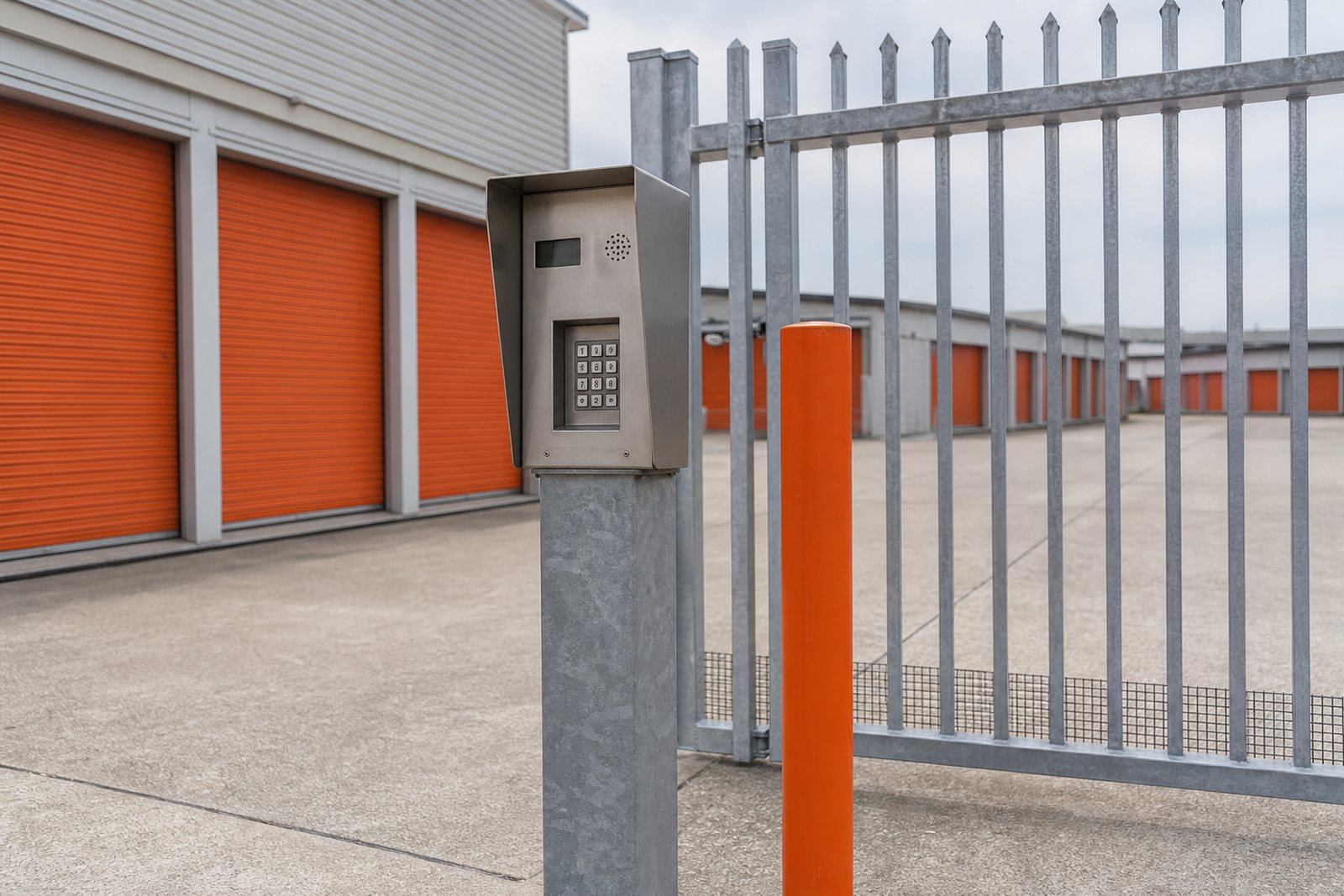
Every screen in GateCodeDesk exists because a facility owner asked for it while standing in a drive aisle with a phone in one hand and a lock in the other.
Every unit on the property sits on one grid with its size, rate, tenant and status, and the map changes the second a lease is signed or a payment posts. Your manager can quote the last 10x20 without walking the row to check.
The keypad code is created at the moment the tenant signs and pays, then written to the controller and shown on the confirmation screen and in the receipt email. Nobody at your office types four digits into a second system again.
Set the grace days, the late fee steps, the notice wording and the exact day the code stops working, per site and per state. The ladder runs itself overnight and stamps each action so the lien file is complete if the account ever gets that far.
Your rental agreement is signed on the phone with a timestamp and an IP record, the first month prorates to your rule, and the tenant protection plan is offered as a choice rather than a checkbox nobody reads. Signed documents file themselves against the unit.
The manager walks the row, taps each door as clean, occupied, overlocked or needing repair, and the map updates before the golf cart is back at the office. Units that show empty on the walk but rented in the ledger get flagged for you by morning.
Pick the tenants who have held a below market rate the longest, set the increase and the notice date, and let the letters and texts go out on the schedule your state requires. You see the projected monthly gain before you approve a single increase.
These are medians across the 168 facilities running GateCodeDesk, measured from the ninety days before the switch against the ninety days after it.
The rental page never closes, so the Saturday night searcher signs, pays and drives in with a code the same evening. That share climbs to 46 percent at sites with drive-up units near a highway exit.
A move-out clears the map the moment the walk is recorded, and the unit is rentable online before the manager finishes sweeping it. Sites that used to average sixteen days now refill most standard units inside two weeks.
The reminder texts land before the late fee, and the held code turns a soft conversation into a real one on day eleven instead of day forty. Owners tell us the delinquency board is the first screen they open with coffee.
Double entry at the gate terminal, code lookups on the phone and paper lease filing all come off the schedule. That time goes back into curb appeal, auction prep and the walk-throughs that catch a cut lock early.
None of these facilities added staff. They changed who does the typing at 9 pm.
I ran this property off a legal pad and a gate terminal for eleven years, and I told everybody that was fine. Then I watched a lease get signed at 10:40 on a Saturday night while I was sitting on my couch, and the code went out to the keypad before I finished reading the notification.
We took nineteen move-ins that first month without anybody driving out to the office. My manager still walks the rows every morning, but now she is looking at doors instead of chasing paperwork.
The ladder is the part that paid for the whole thing. We used to reach day forty five with a certified letter and a lot of hope, and half those tenants had already pulled their property out at 6 in the morning.
Now access is held on day eleven, the tenant calls us that afternoon, and most of them settle on the phone with the card already on file. Our over thirty bucket dropped by half in a single quarter, and I have not written a lien notice since October.
We have 412 units across two buildings and a gravel row that nobody could ever keep straight on paper. The map straightened out that gravel row in about a week, mostly because the walk-through screen made my part time guy honest about what he actually saw.
Last Tuesday I quoted a 10x20 knowing for certain it was open. That sounds like nothing until you have double rented a unit standing right in front of the customer.
You keep your merchant account and your bank deposits. We charge one flat monthly fee for the software, and it does not climb when you have a good month.
$79per month
$169per month
$349per month
Every plan is billed monthly in US dollars and can be cancelled at any time from the billing screen before the renewal date. There is no setup fee, no charge per move-in and no twelve month contract holding you in place.
If your question is not here, put it in the form below and you will get a real answer from the person who built the software.
Single Facility is $79 per month for one site with up to 300 units, and every unit on the property counts whether it is rented or standing empty, because the availability map tracks both. Facility Plus is $169 per month for up to 600 units and a second gate controller. Multi Facility is $349 per month for as many as five sites under one login. There is no per move-in fee, and tenant text notices are included up to 1,500 messages a month.
Most single site operators take their first online rental nine days after the kickoff call. Day one is the unit list import from a spreadsheet or an export from your current management software, day two is the rate table and the gate controller connection, and the rest of the time goes to your review of the lease document and the delinquency ladder. We map keypad codes to unit numbers with your manager on a screen share so the codes match the numbers already painted on the doors. Sites running two controllers or a mixed keypad and card reader setup usually add three or four days.
Tenant records, lease documents and ledger history are stored in United States data centers, encrypted in transit and at rest. Each staff member gets a named login with a role, so a part time gate attendant can read the map and check a code without seeing the ledger or the lien file. You own the data and can export the full tenant list, ledger and access log to CSV at any hour, without asking us. We never sell tenant records and we never share them with anyone outside the vendors that host and deliver the service.
GateCodeDesk writes codes to networked controllers from PTI, DoorKing, Sentinel Systems and Digitech, and it can drive an older serial board through a small network bridge that we ship in the setup box. Payments run through your own merchant account for card and ACH, so the deposit still lands in your bank the way it does today. Bookkeeping exports go to QuickBooks Online as a journal entry or as a CSV your accountant can read. A webhook feed is available on Multi Facility for operators who push data into their own reporting.
Every plan is month to month, and you cancel from the billing screen before the renewal date without calling anyone. Your account stays readable for thirty days after the last paid day so you can pull the exports you need. Tenant lists, lease PDF files, ledgers and gate access logs all export to CSV and ZIP, and we will hand you the raw archive if you would rather have one file. On written request we delete the account and its backups within sixty days.
GateCodeDesk follows the delinquency ladder you build, so access is held on the day you choose and every step is date stamped in the file. The software does not overlock a door, cut a lock or sell anything, because those are decisions for you and your attorney. It stores the notice history, the mail and text delivery records and the access log that a lien file needs if the account ever goes to sale. Operators in states with strict notice periods set the ladder to match the statute, and the ladder can differ from site to site.
Lien law, rate letters, gate hardware and the occupancy math behind a property of 100 to 600 units. Three recent pieces are below, and the rest sit in the archive.
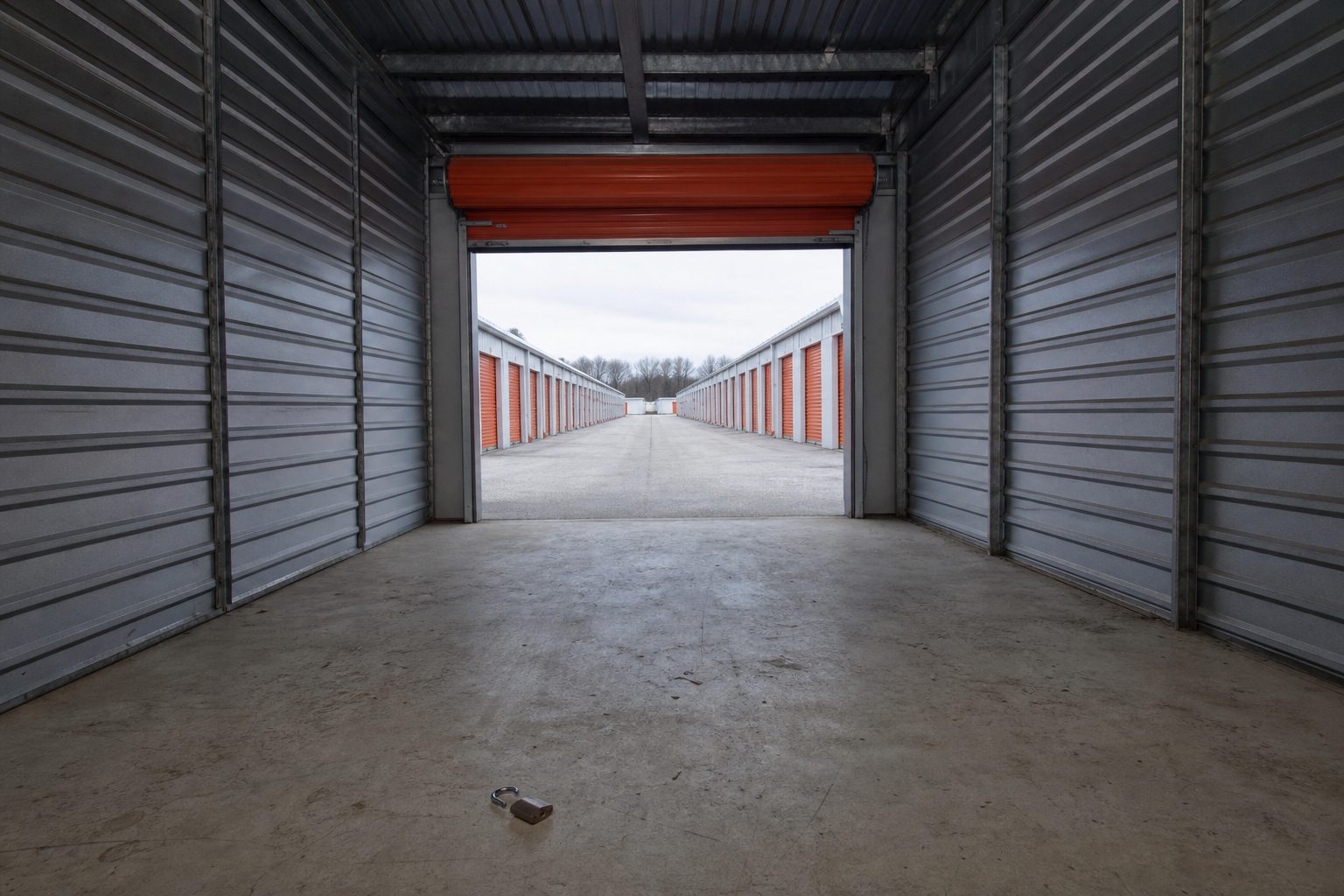 regulation and compliance
Every state grants storage operators a lien on stored goods, but the sale only stands up if the notice, the mail, the advertising, and the proceeds are handled exactly as the statute reads.
 practical guide
The gap between your street rate and what long term tenants actually pay is where most of the missing revenue at a small facility sits. Here is how to close it without emptying a hallway.
 comparison
Conversion cost, utility load, service intervals, insurance exposure, and achievable rent all move in different directions for these two unit types. Compare them before you pour the slab.
Send the shape of your property and the make of your keypad controller. You will get a walkthrough built on your own unit list, not a canned slide deck about the storage industry.
Replies come from a person inside one business day, weekdays, and nothing you send here goes to a mailing list. If email suits you better, send the same details to jimenezjulien42@gmail.com from your own inbox.